
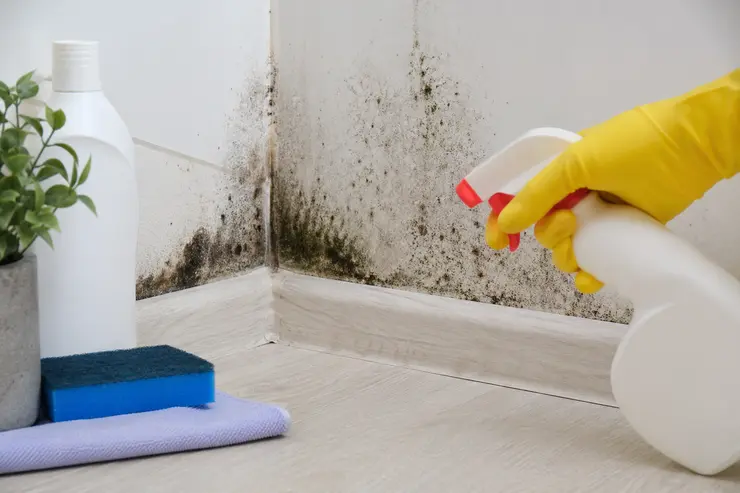
Mould Removal Hacks Quick and Easy Guide
Dark marks on walls often surprise folks who wonder when things changed inside their space. Where damp gathers, especially in low-lit edges, life finds a way – mould slips in without warning. Left unseen, what starts small grows stronger, altering how a place feels each day. Early hints pass under notice till the air itself seems off, heavier somehow. Fixing it later takes far more than spotting it sooner would have.
1. What Causes Mould and Why Should You Act Fast?
Damp spots love hiding where air hardly moves, bathrooms, near sinks, tucked-away house edges. Water seeping through cracks or gathering overnight gives tiny spores a place to land, then crawl sideways fast. Wait too long, and streaks form, materials weaken, sour scents sink into walls. Spot it quick, clean it sooner, that slows harm, cuts scrubbing later. Figure out the cause, then block what keeps it going.
2. Signs of Mould Before It Spreads?
Spotting trouble soon means less work plus fewer spread risks through the house down the line. Dark patches show up on walls, above heads, or tucked-away edges, places where wetness gathers again and again. That stale odour? Frequently gives it away, long before the eyes see anything odd. Peek behind couches, close to humid zones, just to be sure nothing hides there. Quick moves now save time later while keeping effort low. A head start today means less work tomorrow. Rushing at the right moment prevents bigger problems down the road. Acting early smooths out what could become messy. Speed upfront reduces stress when things go wrong.
3. What You Need Before Starting Cleaning?
Ready means go – cleaning cuts down effort, runs smoother once begun. Think gloves, maybe a mask, something to scrub with, plus a spray bottle within reach. Household cleaners do the job just fine, though bond cleaning can step in when a more thorough finish is needed. You will find most things around the house. If not, stores carry them without trouble. Ready before you begin makes a difference, so getting things in order ahead of time cuts down on surprises. A small step today can mean less mess down the road.
4. Vinegar as a Simple Cleaning Option
Many households use vinegar to tackle light to moderate scaling without resorting to caustic household cleaners. Simply pour the vinegar into an old spray bottle and spray a generous quantity over all the scaler areas thoroughly. Leave the solution alone for some time so it stops growing. After that, brush up or across the area where needed, and then wipe the vinegar with a wet cloth. Nothing else works quite like this
5. How Baking Soda Helps with Tough Spots
Besides being mild, baking soda tackles grime plus keeps smells at bay around the house. A dash of water turns it into a spreadable mix, and just dab it where needed. Starting slow, work it in using a delicate-bristled brush so nothing gets scratched. Once done, wipe away residue with fresh water, and leave it be until fully dry. Regular use won’t harm surfaces, feels simple each time.
6. Best Approach for Cleaning Walls Safely
Mould Removal for walls needs special attention as painted walls can be delicate when exposed to vigorous scrubbing or strong cleaning agents. A light scrub using a sponge beats harsh rubbing, particularly if followed by a soft cleaner. Instead of pressing hard, try easing over the surface with soapy water. Starting slow helps preserve what you clean, while strong pressure might harm it. Try it on a hidden spot before moving across visible spaces, just to see how the surface responds. Move step by step through zones, letting each patch air out fully once wiped down. That way, the top stays looking tidy, shielding what lies underneath. A clean look holds, thanks to hidden support beneath. Looks stay sharp because the lower parts are kept safe. The outer part remains smooth since it guards what’s under. Neatness up front happens only when inner levels are defended.
7. Hydrogen Peroxide Used in Deep Cleaning
Start by trying something stronger if regular wiping fails. A light mix of hydrogen peroxide might help when basic cleaners fall short. For tougher cases, how to use methylated spirits to clean your home? works as another effective deep-cleaning option. Apply it straight to the spot, letting it rest just a moment. Then go slow with a soft brush to nudge away what’s stuck. Watch how the fizz works; it loosens grime without tearing up surfaces in most cases. Once done, pass a cloth over it, then leave it alone until completely dry. When things need more than a quick wipe, this approach tends to get closer to clean.
8. How to Stop It from Coming Back Again
Stopping problems before they start matters just as much as scrubbing things clean – both shape how livable a space feels over time. Windows swung open, letting damp air escape, especially when paired with fans in steamy corners like bathrooms or kitchens. A drip left alone becomes trouble; patching flaws fast keeps walls and floors from staying wet too long. Dry spots resist stubborn returns better than soggy ones ever could. Wiping down tiles after showers or clearing crumbs right away adds up quietly. Tiny routines, done often, hold off mustiness without calling attention to themselves. Comfort lives in these quiet efforts more than grand fixes do.
9. Why Safety Should Always Come First
Start smart when wiping things down – it guards against dust getting into your space or on your skin. Some gloves, along with a mask, cut down on contact and keep small particles out of your lungs. Air flows better when windows are open, helping the space seem clearer during movement. Tiny choices like these build up, letting you move without worry. Making safety normal just makes sense.
10. How Often Should You Check for Mould?
Most small issues show up long before trouble begins if someone looks closely. Every couple of weeks, take a moment near spots where dampness gathers behind pipes, under sinks, to see what might be collecting out of sight. When attention comes often, responses stay simple. A quick wipe today means less scrubbing later on. Comfort grows quietly when little efforts stack without delay.
Cleaner home, fresh start?
Surprisingly simple, mould removal isn’t about big efforts – just steady little actions over time. Before dark patches grow wider, grab gentle cleaning options rather than strong chemicals. Moisture lingers? Wipe it fast so walls stay dry between uses. Walls tend to show damage first, so check them often; it keeps paint looking fresh and stops deeper harm later. Notice moisture where you wouldn’t expect? That tiny leak behind the sink matters more than you’d guess.