
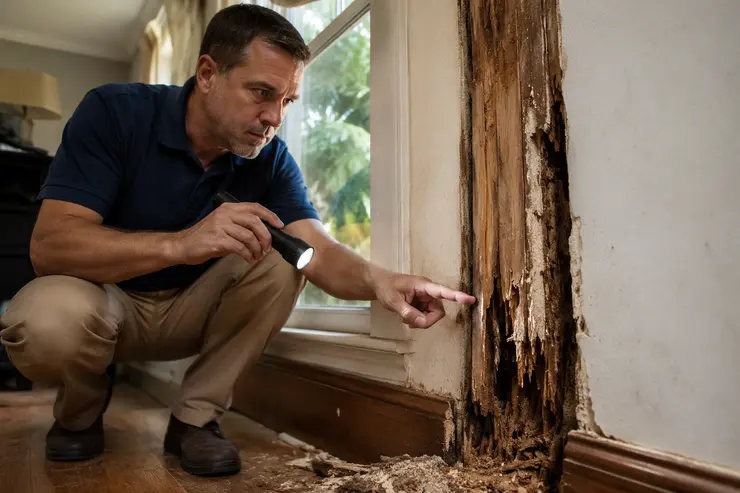
Have you seen curious scratches on the walls or floors of wood lately? Many householder allow minor changes in property to grow into major structural damage to their house without expecting it. Very small insects can do very costly damage without making loud or obvious warning noises to people indoors. Early detection of hidden problems saves homeowners from expensive repairs and the stressful situation of maintaining their house at a later stage. Knowledge of minor property changes can completely protect homes from long-term structural termite damage. Early learning of these signs not only saves money but also protects valuable household investments successfully.
1. Understanding Termite Activity
Termites are living creatures that consume wood and live in the homes it damages in furniture, ceiling, and vital lawns of infrastructure. Termites of this kind usually stay concealed behind the walls while they are feeding on the wooden parts of a house, and the owner remains unaware of it. A lot of infestations remain unnoticed for months or even years until someone detects the damage to the structure or sees evidence of the problem inside the house. Homeowners can know what to expect from termites by understanding what these insects do and spotting early warning signs before things get very expensive when they’re going to hell. Inspections made in advance always improve your ability to achieve the long-term outcome of a termite infestation.
2. Inspect Wooden Surfaces Regularly
Routine monitoring allows homeowners to detect unusual damage to wooden surfaces, caused by termites, before they compromise vital components of the home for long durations. Inspect floorings, furniture, baseboards, wooden doors, etc., regularly to notice any cracks or unusual softness. Hidden spaces often shelter termites, quietly eating away at wooden frames. A dull thud when tapping wood might mean they’ve already moved in. But they have the perfect cover to thrive in dark corners and old cupboards. Take a peek behind stored boxes or under floorboards where light seldom penetrates. These quiet invaders avoid open sight, sticking to spots untouched for months. Conducting inspections from time to time is a step taken towards reducing the possibility of silent termite infestations that could spread through the whole house in the coming years.
3. Watch Wall Damage Signs
Many homeowners notice the early symptoms of termites through strange wall changes that pop up suddenly throughout their homes, day after day. Bubbling paint, peeling wallpaper, and minuscule wall cracks are often signs that there is termite activity concealed behind interior wall surfaces. Moisture-looking stains on walls might sometimes be due to the tunnels termites dig in wooden beams of your home that are hidden behind the paint. During detailed property inspections or end of lease cleaning, these hidden wall issues and moisture marks are often noticed before the termite damage becomes severe. One of the ways you can prevent a lot of destruction is by keeping yourself aware of what the typical symptoms of termites infestation in the walls are. Immediate inspections should be able to prevent the spread of termites to other parts of your home.
4. Notice Mud Tube Formation
Mud tubes are pretty much the foremost indication of termites that you can find related to residential foundations, walls, ceilings & wooden structures. Termites make narrow mud tubes because these pests need moisture protection when moving between nesting and feeding sites without exposure. Homeowners usually find these tubes close to windows, basement walls, door frames, or outdoor wooden fencing structures. Once these tubes are found and overlooked, it is when these termite colonies can continue to cause destruction of your home’s structural wood without being seen. If any mud tubes are found in the home, a technician should be called immediately.
5. Identify Hollow Wooden Sounds
Most times, termite-damaged wood taps like an empty drum. That happens since these bugs eat inward, leaving behind fragile shells on both inner and outer sides. A quiet tap might reveal what looks solid but is actually weakened within. People checking around the house may notice odd echoes under floors, near doorframes, along baseboards, or even inside cabinets. Sound changes when structure hides damage beneath its surface. Weak wood can crumble more easily when you press on it, as termites degrade wood material from the interior sections with little respite later. Hollow sounds are known to be signs of more advanced infestations that have already traveled deep within critical household structural support systems inside. Early detection of weakened timber helps in reducing costly property repairs down the track.
6. Check Window Frame Damage
By checking windows or sliding door frames, mainly those made of wood, a homeowner is very likely to spot the signs of termites in the early stages, and they might prevent a much bigger problem that might have appeared all over the house after the termites have been there for a while. Termite invasions often mean the damage of a home so much that the windows and doors might get stuck very easily if one tries to open or close them. Due to the weakening of the wood by the termite destruction, the damaged wooden parts of the house may even be warped a little. Cracks near edges might mean water got in, or maybe termites built paths behind the surface. Hidden damage often shows first where materials meet.
7. Watch Termite Swarmers Closely
Light often pulls in winged termites, those seen near lamps, glass panes, or overhead fixtures – especially when temperatures rise. These flying bugs mean a grown colony lives nearby, getting ready to move into fresh spots. Spotting piles of discarded wings along window edges or ground surfaces? That sight usually means termites have been active. Such clues deserve attention, never dismissal. These pests usually reveal themselves only briefly before retreating to hidden wall spaces or wooden support. A quick recourse to a professional termite inspection will prevent the termite infestation from escalating to a level that would cause extensive structural damage to the house.
8. Inspect Flooring Conditions Frequently
Termites usually go for wooden floors as the concealed cavities under the floors provide the termites with the moisture and the means of getting away from the outside weather that they need. Sometimes the homeowner may hear the floorboards squeak, which happens as the termites dismantle the wooden supports beneath the floorboards in pieces over time. Because early detection always means less work for the repairman and less cost for the homeowner, it is important not to rely only on the senses, but rather work on methods that will help us detect quickly and easily.
9. Examine Ceiling Damage Closely
Termite infestations that intensify and develop in wooden roof joists and home beams inside can make ceilings reveal the presence of warning signs of termites. Cracks spreading across the ceiling might mean tiny creatures are chewing away out of sight. Paint lifting into bumps often points to unseen damage happening overhead. Moisture builds up when hidden pathways form inside critical frame pieces. Homeowners dealing with damp ceiling areas may also benefit from reading quick and easy mould removal hacks you need to try to help manage moisture-related problems indoors. Slow movement through thick timber happens more than anyone notices. To ignore the ceiling damage is to risk more costly structural repairs and dangerous household safety issues further down the line, and worse, unexpectedly. Professional inspections allow homeowners to verify termite activity before devastating ceiling collapse hazards are established indoors.
10. Schedule Professional Inspections Early
Professional termite inspections are still the best way to catch infestations hidden under the surface before costly damage to the structure compromises entire residential homes permanently later on. Pest control professionals have high-tech tools that can effectively pinpoint termite colonies concealed within walls, under flooring, and even under home support beams. Annual inspections enable homeowners to catch problems early and to mitigate the risk of having severe infestations of termites, which would spread indoors continuously thereafter. Expert assistance is key in the early stages, and it is twin benefiting case that protects valuable properties while reducing future repair costs significantly thereafter.
Prevent Future Termite Problems
Avoiding infestations is still easier than fixing costly termite damage to the structure of a home for a number of years at a time, catching them off guard even later. Termites are also attracted to wet areas where they can burrow for their nesting and feeding activities outdoors or indoors, but they cannot hide their activities indoors without interruption. So, it’s very important to repair faulty plumbing, increase airflow, and dispose of wood leftover around the house foundation promptly to have a better and stronger defense, one might say, against pest invasion. Such measures allow you to spot the warning signs of termites and take the necessary actions even before they get to the most vulnerable parts of your house. Persistent prevention efforts provide ongoing protection to a home and its inhabitants, effectively allowing them to have safe, comfortable lives.